
- Position:
- Batte Melt pump > NEWS >
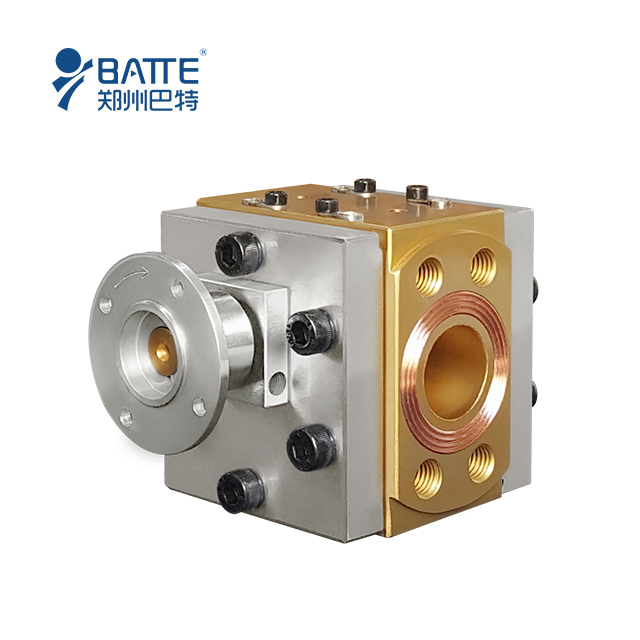
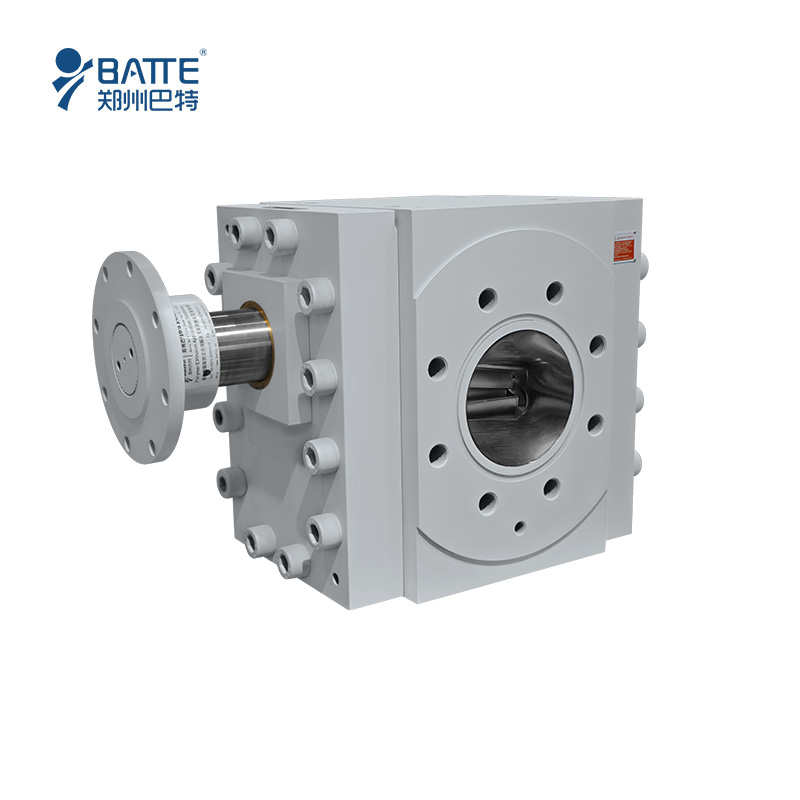

Three core dimensions for selecting melt booster pumps
The melt booster pump is a core conveying equipment in processes such as polymer material extrusion, granulation, and film production. Its selection accuracy directly determines the operational stability of the production line, the precision of product molding, and the service life of the equipment. Unlike the benchmarking selection of general machinery equipment based on parameters, the scientific selection of melt booster pumps requires abandoning the extensive mode of single parameter matching. Instead, it should be based on three core dimensions: material characteristics, process conditions, and on-site installation conditions, and conduct comprehensive and systematic adaptation verification. This approach can avoid production issues such as melt leakage, pressure fluctuations, equipment overload wear, and substandard production capacity caused by selection deviations, ensuring long-term efficient, stable, and low-energy consumption operation of the equipment.
Accurately pinpointing the core attributes of materials is the fundamental prerequisite for model selection, and all equipment parameter configurations must revolve around material characteristics. Melt viscosity is the core verification indicator, directly determining the pump body speed, drive configuration, and structural design. For high-viscosity melt conditions, the material conveying resistance is extremely high, and the model selection requires strict control of the pump body operating speed. By reducing the speed, shear heat generation and operational load are reduced. At the same time, it is crucial to verify the motor rated power, drive torque, and the load-bearing capacity of core pressure-bearing components such as gears and bearing shells, ensuring a high degree of matching between the power system and the load, and eliminating component wear and pump body seizure caused by long-term overload operation. For low-viscosity melt media, the material has strong fluidity and is prone to leakage. The core focus of model selection is on optimizing the sealing structure, selecting high-precision adaptive sealing components, and preventing melt leakage and pressure relief issues from the root. In addition, the core material needs to be customized according to the material operating temperature and medium characteristics: high-temperature conditions require matching high-temperature resistant special alloy steel materials to ensure the structural stability and operational accuracy of the pump body in high-temperature environments; corrosive melts require corrosion-resistant alloy coatings or special stainless steel materials; for abrasive materials containing solid particle impurities, it is necessary to upgrade to high-wear-resistant structural configurations to significantly extend the equipment service life.
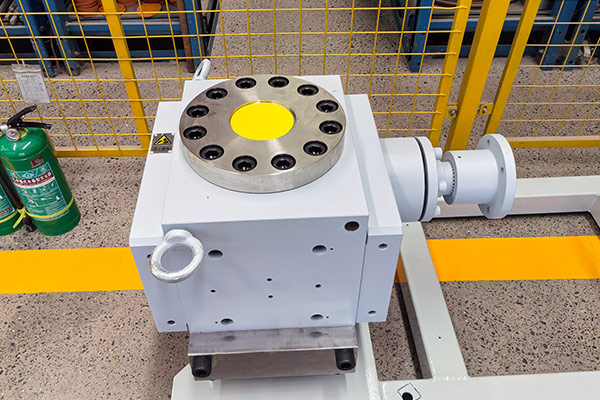
Fully understanding the entire process flow and technological parameters is the core key to equipment selection, as it directly determines the adaptability of the equipment to the working conditions. Flow parameters are the core basis for determining the displacement specifications of the pump body. Equipment selection should be based on the volumetric flow rate under actual production conditions. If only mass flow rate parameters are provided on site, precise conversion is required based on the density parameters at the working temperature of the material, to eliminate issues such as insufficient production capacity or melt retention caused by flow rate mismatch. At the same time, it is necessary to accurately verify the inlet and outlet working pressure of the production line, and match the pump equipment with the corresponding pressure rating based on the peak pressure, to avoid process risks such as equipment deformation, pipeline bursting, and excessive pressure fluctuations caused by overpressure operation. The heating system needs to be flexibly selected based on the production line process habits and melt temperature control requirements. Various temperature control schemes such as electric heating, heat transfer oil heating, and steam heating can be adapted as needed. For conventional working conditions without precise temperature control requirements, a no-heating configuration can be selected, optimizing equipment energy consumption and costs while meeting the production process requirements.
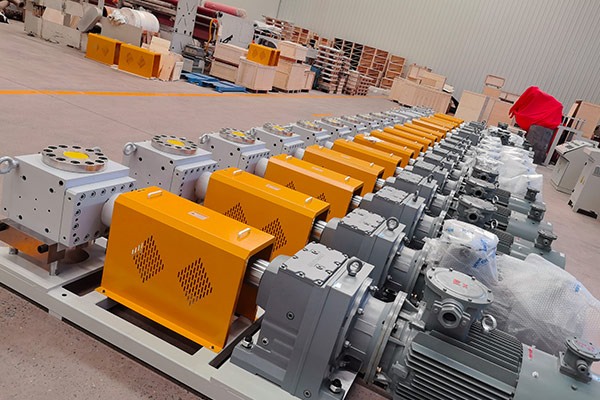
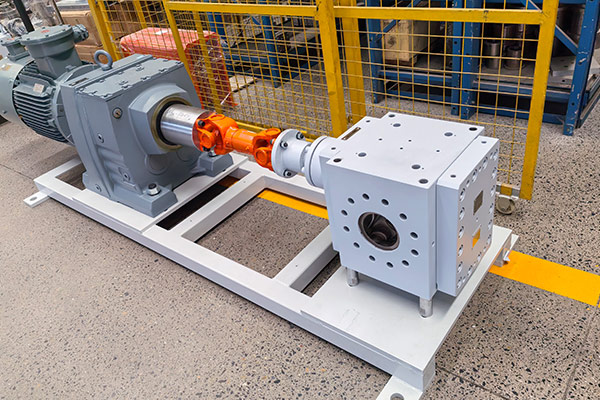
Coordinating and adapting to on-site installation conditions is a crucial guarantee for the implementation and operation of equipment. Model selection requires on-site verification of the installation spacing between extruders and molds, equipment layout orientation, and on-site spatial dimensions, as well as matching and adapting to the installation form of the pump body, to avoid issues such as equipment failure to be positioned due to space constraints and unreasonable pipeline connections. The drive connection system can flexibly select and configure universal couplings, flexible couplings, and other connection structures according to on-site working conditions, and can be paired with a variable frequency speed regulation system to achieve precise speed control, adapting to the installation layout and speed regulation requirements of different production lines, while taking into account both equipment operational stability and ease of maintenance in the later stages.
Email: sale@meltpump.com
WhatsApp: +86 158 3833 1071

Any questions about our products, please feel free to contact us! We promise you high-end products and first-class service.Look forward to our cooperation!!!
- sales@battemachinery.com
- +0086-371-67991755


