
- Position:
- Batte Melt pump > NEWS >
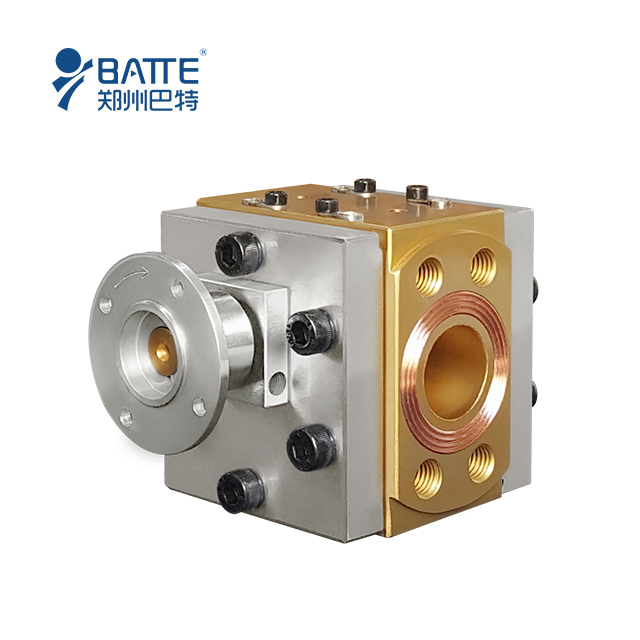
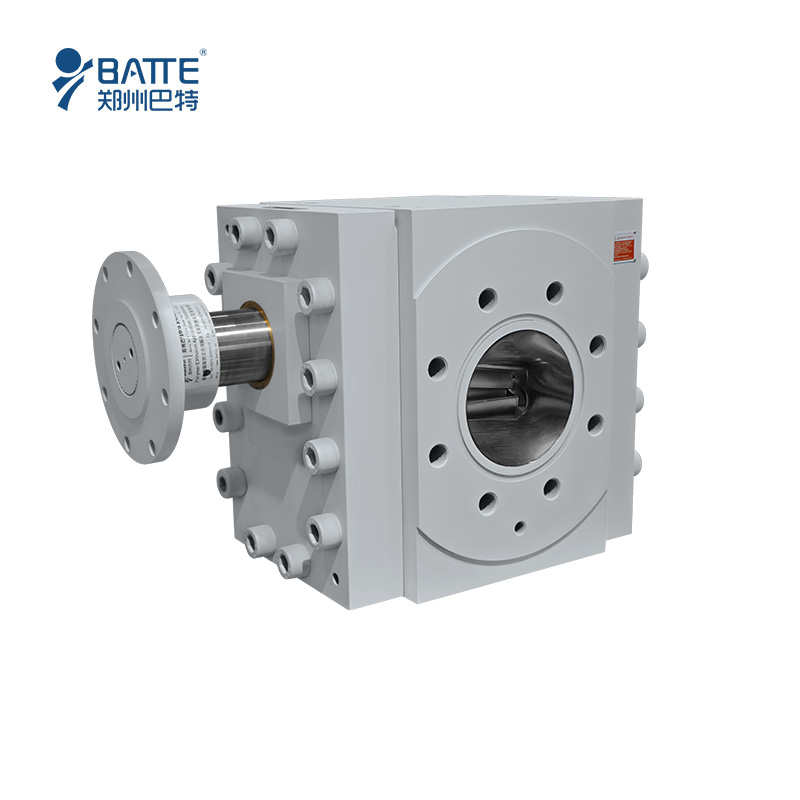

Melt pump selection: why is there no universal model?
Many friends who choose melt pumps for extrusion, granulation, and spinning will ask: Is there a universal model that can handle all production lines with one pump?
To be honest, there is no truly universal model for melt pumps, and the selection must be based on one's own on-site working conditions. The material, process, output, and pressure conditions of the pump are different, and the material, structure, sealing, and matching configuration of the pump need to be adjusted accordingly. Only by selecting the right working conditions can stable transportation and equipment durability be ensured.
In production scenarios such as plastic extrusion, modified granulation, chemical fiber spinning, and high viscosity material pressurization, the melt pump is mainly responsible for stabilizing pressure, pressurization, and quantitative conveying. Many people always want to find a "universal" model, but the materials, processes, production capacity, and on-site conditions of each line vary greatly, and simply copying the model can easily lead to problems such as being unusable and having poor results.
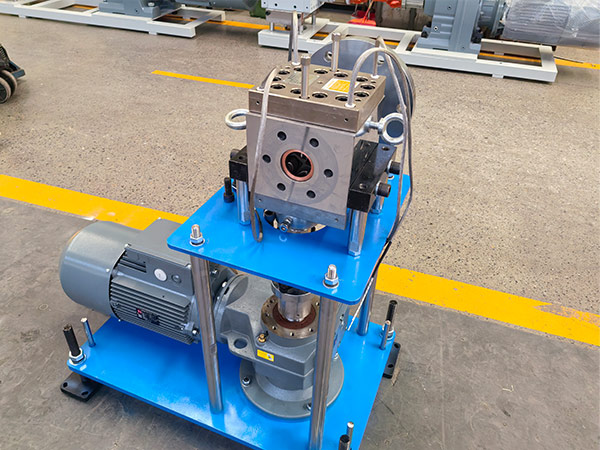
Different materials lead to different selection directions
PP, PE, PET, PA, TPU, EVA and other types of polymer materials have differences in melt viscosity, flowability, and thermal sensitivity.
High temperature and high viscosity materials require enhanced wear and pressure resistance for pump bodies, gears, and shaft sleeves;
For materials that are prone to degradation and carbonization, it is important to optimize the flow channels, shorten the residence time of the materials, and control the temperature;
If glass fiber, mineral powder fillers, or corrosive materials are added, it is necessary to upgrade the wear-resistant and corrosion-resistant configurations.
It is difficult to balance the long-term stable production of so many materials with a single pump.
The function of the pump varies depending on the usage scenario
The melt pump is installed in different positions and undertakes completely different tasks.
Between the extruder and the die, it is mainly used to suppress pressure pulsation and stabilize the discharge;
When used with a replacement filter, it is necessary to adapt to changes in filter resistance to ensure smooth feeding at the rear end;
The bottom discharge condition requires the bottom melt pump to adapt to continuous conveying of low pressure inlet and high viscosity discharge;
In the scenario of pipeline transportation pressurization, the key is to establish pipeline pressure to ensure uninterrupted feeding at the rear end.
When the installation position changes, the pump body structure, flange interface, sealing form, and drive configuration need to be correspondingly modified.
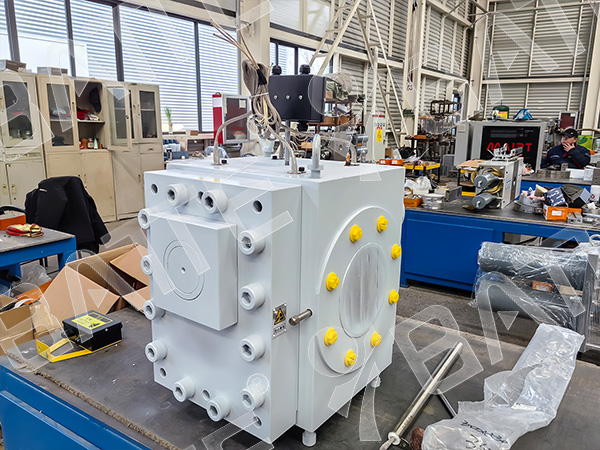
The production speed must be matched in place
The displacement of the melt pump should be comprehensively calculated based on actual production capacity, material density, and reasonable speed range.
Choosing too large a displacement, running at low speeds for a long time, and poor regulation performance;
The displacement is too small, and only by increasing the speed can the production meet the standard. The wear and tear will worsen, and the temperature rise of the melt will also exceed the standard.
The appropriate selection should ensure that the pump operates within the optimal speed range, taking into account stable delivery, equipment lifespan, and adjustment margin.
Pressure and temperature determine the hardware configuration level
The import and export pressure, pressure difference, and working temperature of each production line vary greatly. High pressure and large pressure difference working conditions require high demands on gears, bearings, seals, and driving loads. Partial operating conditions can reach temperatures above 350 ℃ and pressures exceeding 35MPa. High temperatures and pressures can affect material strength, thermal clearances, and sealing reliability. Before selecting, it is necessary to clarify the actual temperature, inlet and outlet pressure, allowable pressure difference, and heating form. Parameter mismatch can easily lead to frequent malfunctions.
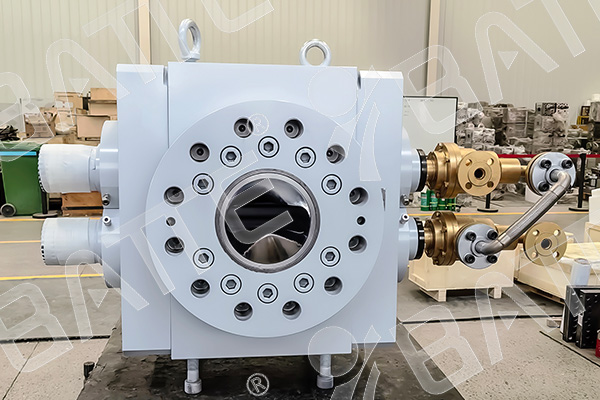
Sealing, interface, and control system are related to on-site implementation
According to the viscosity, temperature, pressure, and leakage risk of the material, packing sealing, mechanical sealing, or combination sealing schemes should be selected.
The on-site installation space, flange specifications, inlet and outlet orientation, and motor layout form also constrain the pump body structure. A continuous production line also needs to be equipped with a complete set of motor reducers, frequency converters, temperature control, and pressure monitoring systems as needed in order to perfectly match the entire production line.
Overall, the selection of melt pumps belongs to the matching of working conditions, and cannot be simply applied based on the model. When selecting, try to provide information such as material type, production capacity, melt viscosity, working temperature, inlet and outlet pressure, installation location, interface size, and whether there are fillers/corrosive components. Only by comprehensively evaluating materials, pressure, temperature, production capacity, installation, and control can the melt pump realize its value of stabilizing pressure, increasing pressure, and ensuring stable transportation.
Email: sale@meltpump.com
WhatsApp: +86 158 3833 1071

Any questions about our products, please feel free to contact us! We promise you high-end products and first-class service.Look forward to our cooperation!!!
- sales@battemachinery.com
- +0086-371-67991755


