
- Position:
- Batte Melt pump > NEWS >
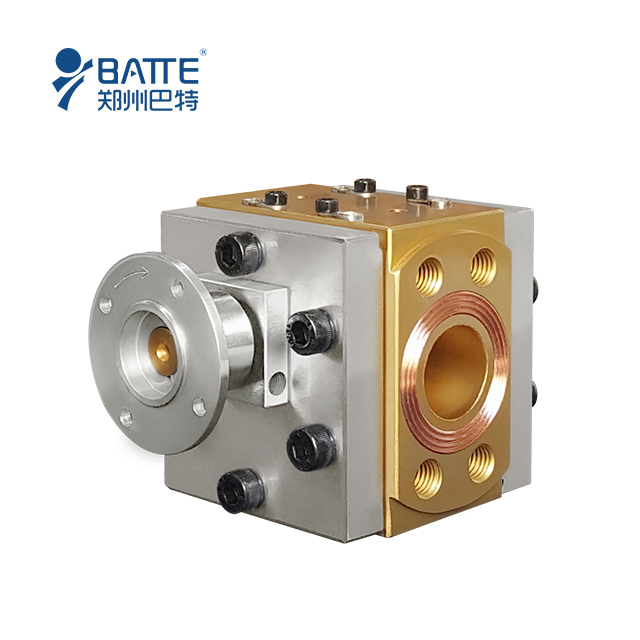
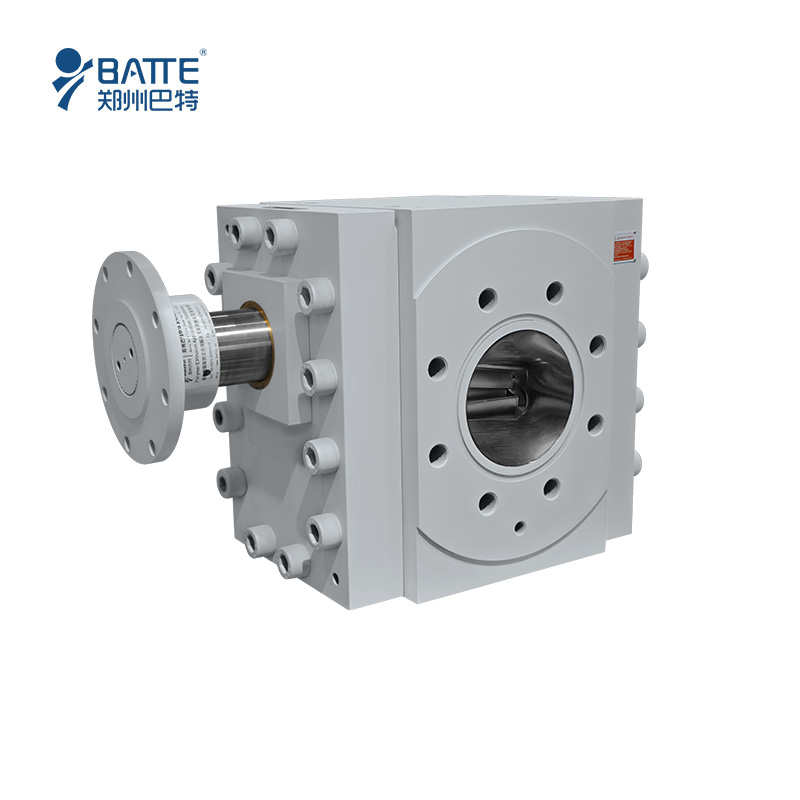

Reactor melt pump
As a specialized positive-displacement gear pump, the reactor melt pump is specifically designed for the transfer of high-temperature, high-viscosity polymer melts during reactions and is widely used in fields such as resin synthesis and chemical fiber production. Its core function is to serve as a discharge pump at the bottom of the reactor, and its optimized structure delivers two key features:
1. High-flow feed design: The inlet size is enlarged to accommodate the high-throughput requirements of materials at the bottom of the reactor;
2. Vacuum compatibility: Enhanced self-priming capability ensures stable delivery and pressurization under vacuum reaction conditions.
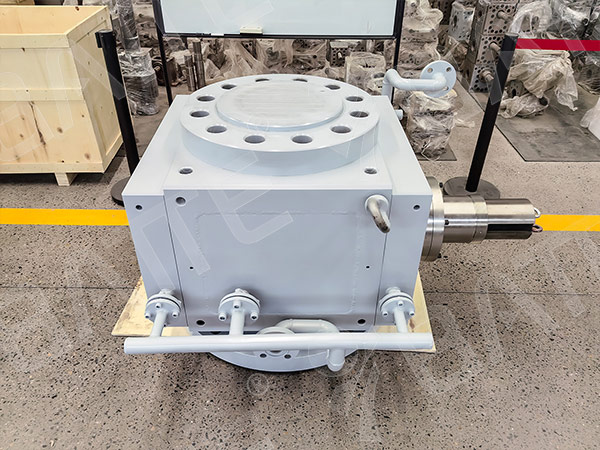
Structural Features and Operating Principle
Although it is also a gear pump, it has been specifically optimized for bottom-of-the-reactor operating conditions:
Large Inlet Design: To ensure smooth material intake under vacuum and high-viscosity conditions, the inlet size is significantly larger than that of standard melt pumps, thereby reducing feed resistance.
Drive and Connection: Typically, a “motor + gearbox + universal joint” configuration is used. The universal joint is critical, as it effectively compensates for radial and angular misalignment caused by the different thermal expansion rates of the reactor and the pump housing, thereby protecting the equipment from seizing.
Heating System: The pump housing is jacketed and can be heated using thermal oil or electric heating to ensure the material remains in a molten state throughout the transfer process.
Sealing Technology: Due to the high temperatures and potentially toxic or hazardous media involved, double-face mechanical seals or combination seals are typically used, equipped with a barrier fluid system to ensure zero leakage.
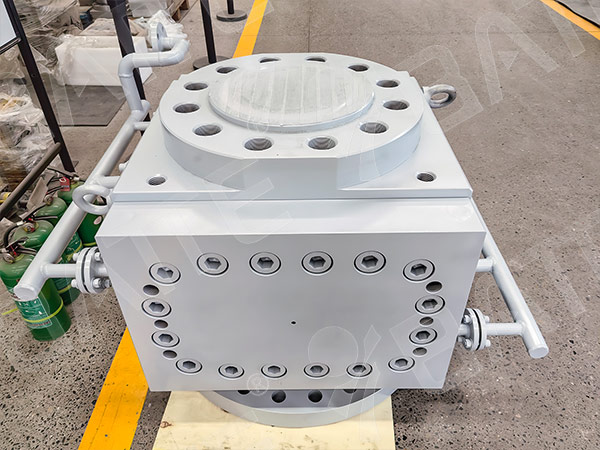
The reactor melt gear pump solves the “bottom-of-reactor discharge” challenge that ordinary pumps cannot handle:
Vacuum self-priming (overcomes negative pressure)
Operating Conditions: Many polymerization reactions (such as PET and nylon production) must be conducted under vacuum conditions to remove byproducts. In such cases, the reactor bottom outlet is under negative pressure.
Advantages: This pump is specifically designed for vacuum applications. It typically features a large-flange inlet design with a spacious flow path, combined with precision gear meshing, providing exceptional self-priming capability. It can stably draw in material under a vacuum of -0.09 MPa, preventing flow interruption.
Forced Discharge (for High Viscosity)
Operating Conditions: Polymer melts (such as PET and PLA) have extremely high viscosity, similar to asphalt, making it difficult to completely discharge them from the bottom of the reactor by gravity alone; they tend to cling to the walls and leave residues.
Advantages: As a positive-displacement pump, it uses the powerful thrust generated by gear meshing to forcibly extract “viscous” materials, ensuring high material utilization and preventing degradation caused by prolonged retention in the reactor.
Precise Metering and Pressure Boosting
Operating Conditions: Downstream equipment (such as spinnerets and pelletizers) requires a stable flow rate and a certain level of inlet pressure.
Advantages: Through variable-frequency speed control, it achieves a nearly linear flow output, providing an extremely stable material supply to downstream equipment, and can generate pressures as high as 25–35 MPa to overcome downstream resistance.
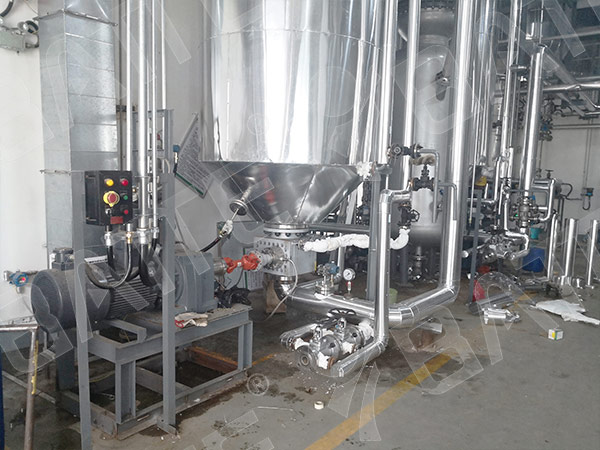
The equipment’s technical specifications cover a wide range, enabling it to convey media with viscosities ranging from 1 to 40,000 Pa·s. The suction pressure range extends from vacuum to 4 MPa, and the maximum discharge pressure reaches 35 MPa, meeting melt conveyance requirements under various pressure conditions. With a maximum operating temperature of 350°C, it is compatible with the vast majority of high-temperature melt processing applications and offers exceptional compatibility with a wide range of operating conditions. It is particularly suitable for the reactor discharge stages of production lines for polyester, chemical fiber spinning, and biodegradable materials (such as PBAT and PLA), where it can significantly improve system stability and capacity utilization.
Email: sale@meltpump.com
WhatsApp: +86 158 3833 1071

Any questions about our products, please feel free to contact us! We promise you high-end products and first-class service.Look forward to our cooperation!!!
- sales@battemachinery.com
- +0086-371-67991755


