
- Position:
- Batte Melt pump > NEWS >
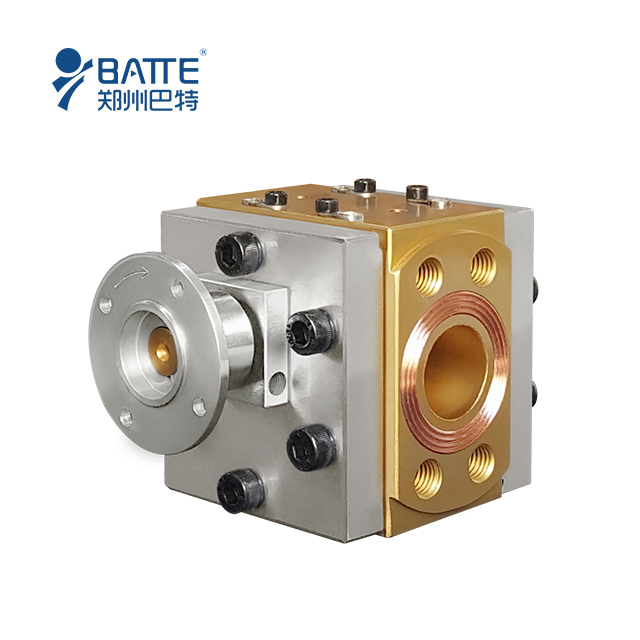
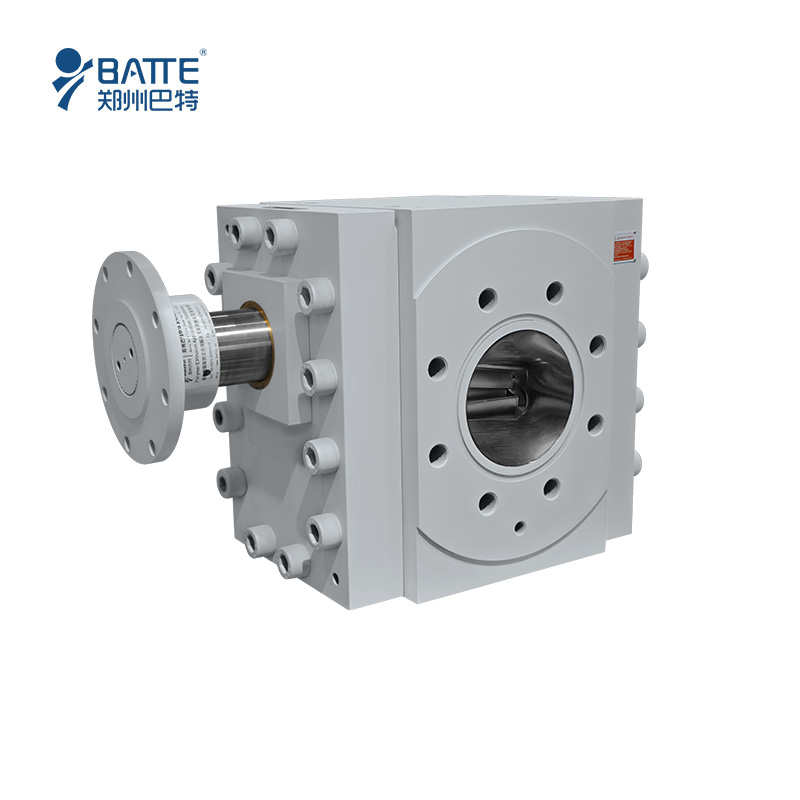

Gear Pumps Specifically Designed for Reactors
Reactor melt gear pumps (also known as bottom-mounted melt pumps or reactor discharge pumps) are positive-displacement pumping systems specifically designed for high-temperature, high-vacuum, and high-viscosity polymer melts. They are primarily used for discharge, precise metering, and pressurization at the bottom of reactors, and are widely used in polymerization processes across the chemical, synthetic fiber, plastics, and resin industries.
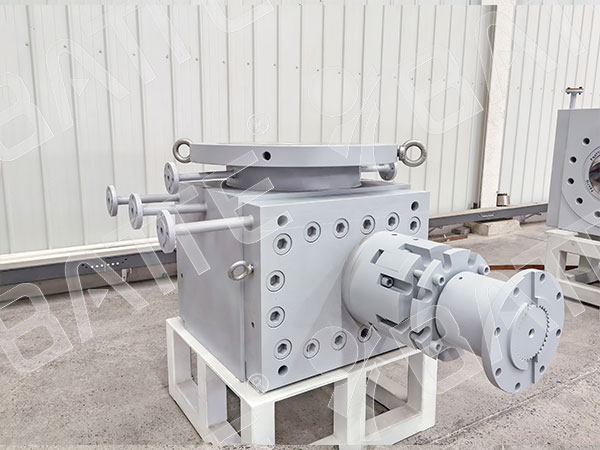
I. Core Operating Principle
This is a positive displacement, forced-feed pump that relies on the rotation of a pair of precision-meshed gears. The working volume formed by the gear teeth and the pump body undergoes periodic changes, enabling the suction, conveyance, and discharge of the melt.
The drive gear rotates the driven gear, creating a vacuum on the inlet side that draws the melt from the reactor into the gear pockets.
The meshing gears propel the melt through the pump chamber to the outlet side, completing the pressurization and transfer process.
The clearance between the gears and the pump housing is precisely controlled to balance sealing performance with thermal expansion, thereby preventing jamming.
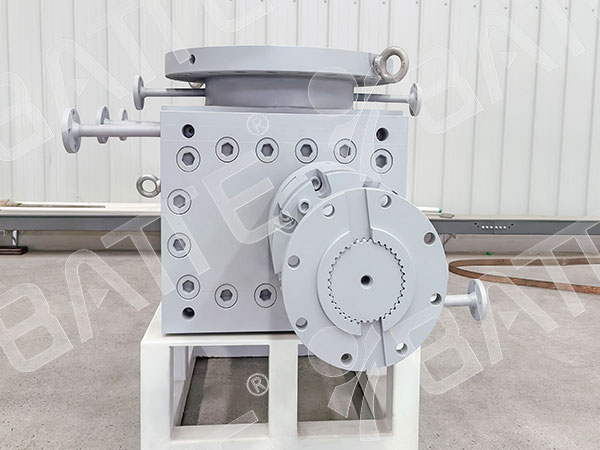
II. Product Structure and Key Components
1. Core Components
Pump Body: Made of alloy steel, stainless steel, or corrosion-resistant alloy, featuring a heating jacket and flow channels to maintain melt temperature.
Gear Set: High-strength alloy steel (nitrided steel or tool steel) with involute or circular arc tooth profiles to optimize pulsation; surfaces can be coated with wear-resistant materials such as tungsten carbide.
Bearing System: Side-plate type self-lubricating bearings with wear-resistant coatings, supporting the gears and withstanding axial and radial forces.
Sealing System: Designed for high temperatures (≤400°C); the mainstream configuration combines melt dynamic seals with high-temperature packing or mechanical seals, suitable for vacuum applications.
Drive System: Motor + reducer + universal joint; variable frequency speed control enables near-linear flow control.
2. Structural Features
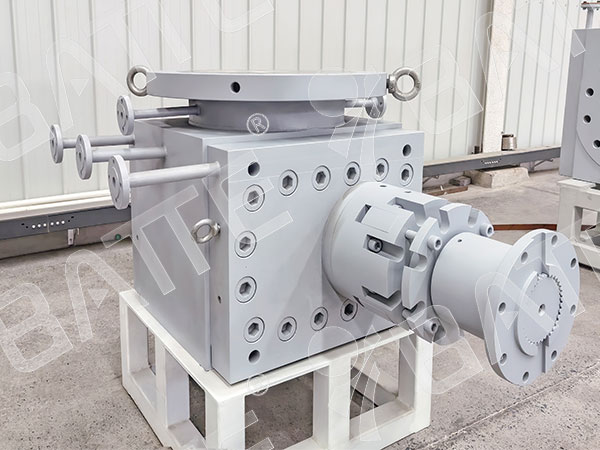
Large-diameter funnel-shaped inlet: Designed for high-flow, high-viscosity melt suction from the reactor bottom.
Heating/Insulation Design: Heat transfer fluid or electric heating to prevent melt cooling and solidification.
Vacuum Compatibility: The inlet can withstand a vacuum of -0.05 to -0.09 MPa, meeting the requirements for discharge during polymerization reactions.
III. Key Product Advantages
1. Strong Vacuum Self-Priming Capability: Featuring a large inlet flange and a negative pressure design, it can reliably convey high-viscosity melts under high-vacuum conditions.
2. Precise Metering: Utilizing positive displacement pumping, flow rate is linearly proportional to rotational speed, resulting in minimal pulsation and a metering error of ≤±1%.
3. High-Temperature and High-Pressure Compatibility: Materials and seals are resistant to high temperatures and pressures, making the pump suitable for the demanding conditions of polymerization reactions.
4. Stability and Reliability: Precision machining combined with wear-resistant coatings ensures a long service life and extended maintenance intervals.
5. Easy Installation: Direct connection to the bottom of the reactor, with a universal joint compensating for thermal expansion displacement.
IV. Typical Applications
Chemical Fiber Industry: Conveying and metering of molten materials such as PET, PBT, PA, and PP.
Plastics / Resins: Discharge of polymerized materials such as hot melt adhesives, epoxy resins, phenolic resins, and PC.
Chemical Polymerization: Discharge, pressurization, and precise batching from polymer reaction vessels under high-temperature and high-pressure conditions.
V. Selection and Installation Guidelines
1. Selection Criteria: Medium viscosity, temperature, inlet vacuum, outlet pressure, flow rate requirements, and material corrosion resistance.
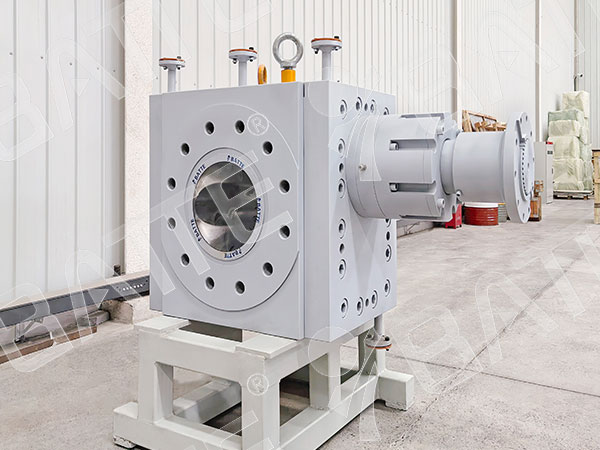
2. Installation Method: Direct connection to the bottom of the reactor, driven by a motor + reducer + universal joint, facilitating maintenance and thermal compensation.
3. Heating Control: Equipped with a temperature control system to ensure the pump body and melt temperatures are consistent, preventing solidification.
4. Seal Maintenance: Inspect seals regularly; prioritize composite seals for high-temperature applications to extend service life.
Email: sale@meltpump.com
WhatsApp: +86 158 3833 1071

Any questions about our products, please feel free to contact us! We promise you high-end products and first-class service.Look forward to our cooperation!!!
- sales@battemachinery.com
- +0086-371-67991755


