
- Position:
- Batte Melt pump > NEWS >

2026-10-23 Laboratory Melt Pump: Applications and Performance Advantages
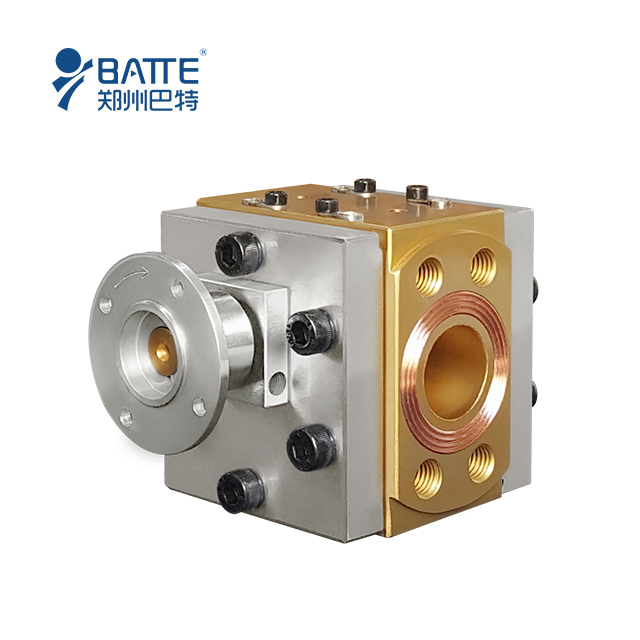
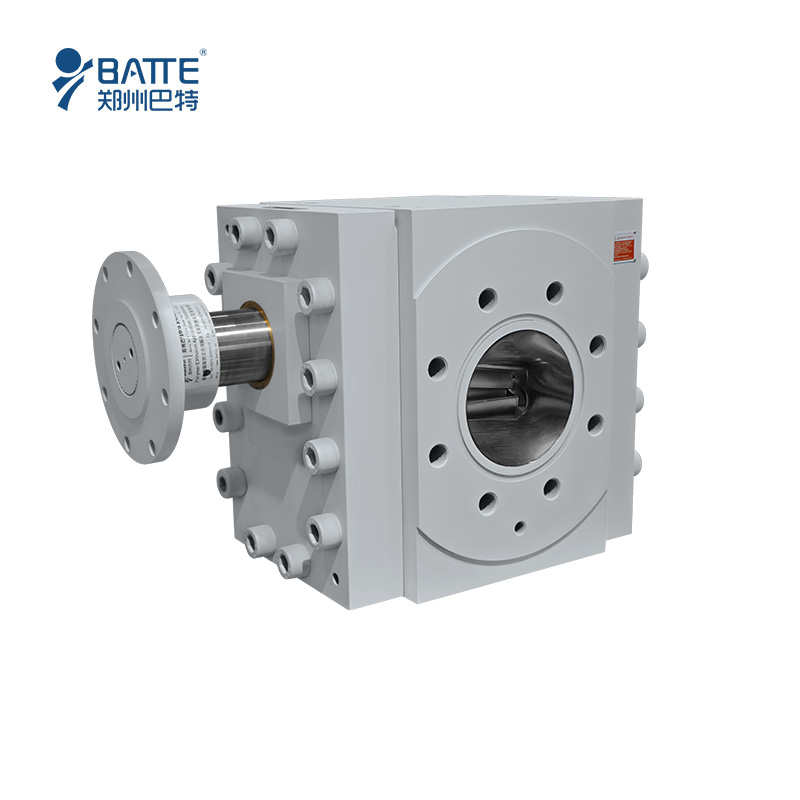
A laboratory melt pump is a compact, precision positive-displacement transfer unit engineered for polymer research and small-scale extrusion trials. It is widely matched with mini extruders, rheology testing platforms and pilot sampling systems, serving polymer formulation development, modified sample preparation and melt rheology characterization. It supports a broad range of polymer melts including PP, PE, PLA, elastomers and composite materials. Built on the volumetric metering principle of precision meshing gears, this lab melt pump delivers steady melt flow and stable pressure during test
2026-10-21 Melt Pump: Not a Universal Solution, Yet It Solves Critical Extrusion Challenges
A melt pump cannot fix every problem on your extrusion line, but it addresses many core stability issues that directly affect product quality and production efficiency. 1. Key Problems It Solves It effectively tackles common extrusion pain points: excessive pressure fluctuation, unstable melt flow, inconsistent product dimensions, heavy load on the main extruder, and unstable downstream forming. By isolating the extruder from die pressure changes, it delivers steady and predictable melt delivery. 2. Scenarios Where It Brings the Highest Value The melt pump offers the most obvious benefits for
2026-10-19 Hot Melt Adhesive Extruder Melt Pump
The hot melt adhesive extruder melt pump is a precision positive-displacement metering device specially designed for hot melt adhesive extrusion production lines. Mounted at the outlet of the extruder, it works together with the plasticizing unit to deliver stable, constant-volume melt flow for hot melt adhesive production, solving common issues like pressure fluctuation, uneven output and inconsistent coating weight caused by direct extrusion from the extruder screw. Constructed with high-temperature alloy gears, heat-resistant pump body and independent heating control channels, this melt gea
2026-10-14 The role of melt gear pump in foam mesh production
The melt gear pump is the core precision matching equipment of the plastic foam mesh production line, specially adapted to the low magnification and high uniformity foaming conditions of PE, PP and other foam mesh raw materials. It is installed between the extruder and the foaming die, and through the principle of volumetric forced conveying, completely solves the pain points of uneven foam holes, large deviation in mesh thickness, and frequent wire breakage in traditional foam mesh extrusion process. It is a key configuration to improve the yield and quality of foam mesh products. Stabilize v
2026-10-10 POE underwater cutting granulation extrusion melt pump
POE elastomer materials have the characteristics of high toughness, low modulus, and large viscosity fluctuations. In underwater cutting and granulation processes, unstable extrusion pressure can easily cause problems such as uneven particle shape, long and short particles, and bubbles. As the core stabilizing metering equipment of POE underwater cutting and granulation line, the melt pump is a key link to ensure stable granulation quality. 1、 Stabilize extrusion pressure and eliminate POE melt fluctuations Batch differences and temperature changes in POE raw materials can cause fluctuations
2026-10-08 Which Section Can the Melt Pump Actually Stabilize?
A melt pump is widely used in plastic extrusion lines, yet many users misunderstand its stabilizing capacity. It cannot fix all fluctuations in the whole extrusion system, but only stabilize a specific section of material conveying and metering under matched working conditions. The core function of the melt pump is to dampen the periodic pulsation transferred from upstream. It reduces the amplitude of upstream fluctuations passed to downstream equipment, and supplies the downstream with steady inlet flow and pressure. In this way, metering controllability is greatly improved: the pump delivers
2026-09-30 The three core functions of melt pump
Many beginners in the rubber and plastic industry wonder what is the use of installing a melt pump on an extrusion production line? The core consists of three major functions, which should be explained clearly in one article Accurate measurement Independent gears are used to quantitatively transport the melt and weaken the discharge pulsation of the extrusion host, Stable flow output and improved product size uniformity. Effective voltage stabilization Isolate the pressure fluctuations of the extruder and establish a stable melt pressure, Improve the appearance defects of films, pipes, and par
2026-09-23 The key to repairing the melt pump: not only replacing parts, but also restoring accuracy
Melt pumps are widely used in industries such as plastics, resins, rubber, and chemical fibers to transport, pressurize, and measure high-temperature and high viscosity melts. After long-term continuous operation, the equipment is prone to various faults such as gear wear, bearing clearance deviation, seal leakage, flow attenuation, and outlet pressure fluctuations. For precision volumetric equipment such as melt pumps, maintenance is not simply about replacing parts. It is necessary to conduct a systematic analysis and judgment based on the pump body structure, gear meshing status, overall fi
2026-09-20 Melt pump solves the pain points of extruder
Still tormented by pressure fluctuations, unstable discharge, and high scrap rates? The extruder is equipped with a melt pump, which directly solves most of the process pain points Melt pump receives high-temperature plastic melt from extruder Complete the boosting and stabilizing of pressure, and send the stable flow into the machine head Stable Pressure | Eliminate Pressure Fluctuations Precise flow control | Ensure consistency of extruded products Homogenized melt | more uniform material mixing Reduce pulsation | Stable product quality Reduce extruder load | alleviate temperature and pressu
2026-09-16 Melt Pump Applications in Sheet Extrusion Production Lines
A melt pump is a precision positive displacement gear pump that serves as a core auxiliary device in modern sheet extrusion production lines. Installed between the extruder and the T-die, it solves the common pain points of unstable melt pressure and fluctuating flow rates in traditional extrusion systems, becoming an essential component for high-precision, high-efficiency plastic sheet manufacturing. The core function of the melt pump in sheet extrusion is accurate metering and pressure stabilization. Ordinary extruders are prone to melt pressure pulsations caused by screw speed changes and m


